














Navigating the Digital Age While Staying Grounded
In an era defined by constant connectivity and rapid innovation, the allure of modern technology is undeniable. Yet, there’s a growing yearning for the simplicity, grounding, and connection that traditional living practices offer.
This guide isn’t about rejecting technology, but rather about intentionally integrating it into a life enriched by timeless wisdom and human connection. The goal is to create a harmonious existence where both realms serve your well-being, rather than one dominating the other.
Step 1: Define Your “Traditional” and “Modern”
Before you can balance, you need to understand what each concept means to you. This isn’t a one-size-fits-all definition.




Reflect on “Traditional”:
- What aspects of traditional living resonate with you? Is it growing food, handcrafts, spending time in nature, face-to-face community, slower rhythms, or something else?
- What traditions from your family or culture do you value?
- Self-reflection Question: What activities make you feel grounded, connected, and truly present without screens?
Identify Your “Modern Technology” Needs:
- Which technologies genuinely enhance your life (e.g., communication with distant loved ones, learning, health tracking, efficient work tools)?
- Which technologies are sources of distraction, anxiety, or comparison?
- Self-reflection Question: Which apps or devices genuinely serve a purpose, and which are just habit-forming?
Step 2: Practice Intentional Technology Use
The key to balance is conscious choice, not just reactive usage.
Schedule Digital Downtime: Designate specific hours or days as “tech-free zones.” This could be an hour before bed, during meals, or entire weekends.
Curate Your Digital Environment:
- Notifications: Turn off non-essential notifications that constantly pull your attention.
- App Audits: Regularly delete apps you don’t use or that drain your time and energy.
- Social Media: Unfollow accounts that don’t inspire or uplift you. Consider time limits for social apps.
Use Tech as a Tool, Not a Master: Leverage technology to enable traditional practices (e.g., using an app to identify plants on a nature walk, watching a tutorial for a traditional craft, video calls for family connections).
The “Why” Before the “What”: Before picking up your device, ask yourself: “Why am I reaching for this? What’s my intention?”
Step 3: Reconnect with Timeless Skills and Practices
Actively integrate non-digital activities that engage your hands, body, and mind.
- Embrace Manual Creation: Learn to cook from scratch, garden, knit, draw, woodwork, or engage in any craft that uses your hands and requires focus. This offers a tangible sense of accomplishment and slows down your pace.
- Spend Time in Nature: Make regular walks, hikes, or simply sitting outdoors a non-negotiable part of your routine. Leave your phone behind or keep it on silent for emergencies.
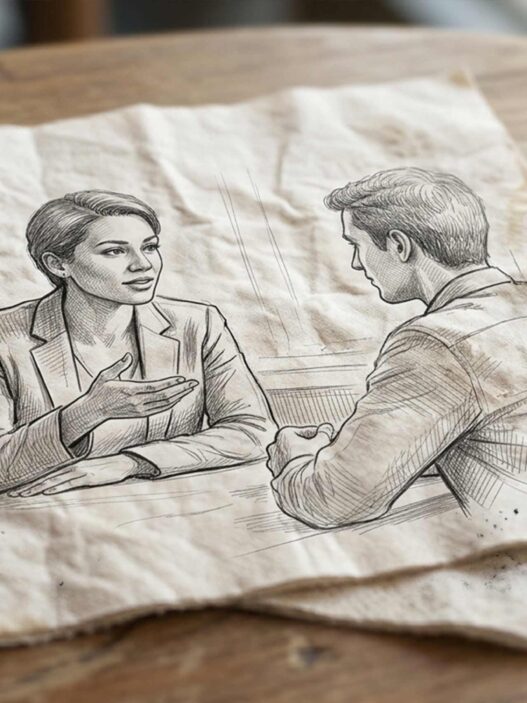
- Foster Face-to-Face Connections: Prioritize in-person gatherings, phone calls over texts (sometimes), and genuine conversations with friends, family, and community members.
- Read Physical Books: The tactile experience of a book can be a calming antidote to screen fatigue.
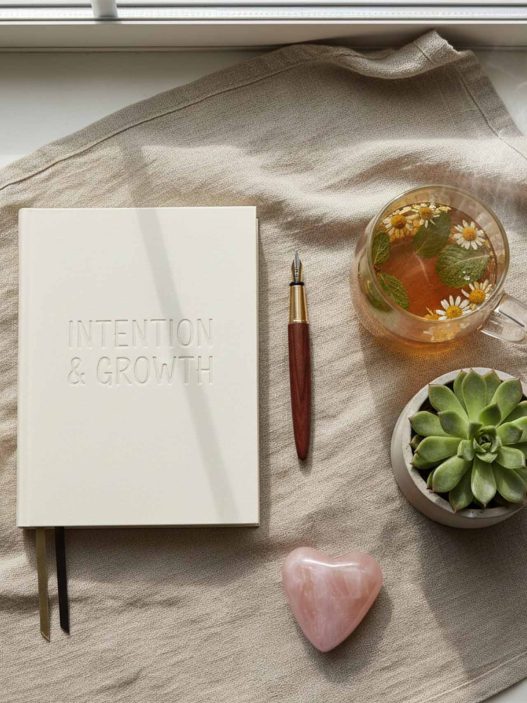
- Practice Mindfulness & Presence: Engage in activities that ground you in the present moment, such as meditation, journaling, or simply savoring a cup of tea without distractions.
Step 4: Create Hybrid Spaces and Routines
Design your physical and daily environment to support both aspects of your desired lifestyle.
- Designate “Tech-Free Zones”: Your bedroom might be a no-phone zone, or your dining table might be screen-free.
- Integrate Analog Tools: Keep physical notebooks, planners, or calendars alongside your digital ones. Use a traditional alarm clock instead of your phone.
- Balance Your Schedule: Ensure your daily routine includes dedicated time for both screen-based activities (work, learning) and screen-free activities (hobbies, exercise, social time).
- Use Tech to Support Traditional Goals: Perhaps a fitness tracker encourages your walks, or a digital recipe app helps you explore traditional cooking.
Step 5: Reflect, Adjust, and Be Patient
Finding your ideal balance is an ongoing process, not a destination.
- Regularly Assess Your Balance: Periodically reflect on how you feel. Are you spending too much time online? Are you feeling disconnected from tangible experiences?
- Be Flexible: Life changes, and your balance will need to adapt. Don’t be afraid to experiment with different routines and rules.
- Avoid Perfectionism: You won’t get it right every day, and that’s okay. The goal is progress, not perfection.
- Celebrate Small Wins: Acknowledge every time you choose a walk over scrolling, or a face-to-face chat over an email.
By consciously curating your relationship with technology and actively re-engaging with traditional practices, you can create a richer, more meaningful, and ultimately more balanced life. It’s about designing a lifestyle that truly serves your well-being, allowing you to thrive in the modern world without losing touch with what truly grounds you.