












How Expanding Your Emotional Vocabulary Can Reduce Anxiety and Boost Happiness
When someone asks how you are, do you usually respond with “fine,” “stressed,” or “good”? These are broad, blunt labels.
Research in neuroscience shows that people with High Emotional Granularity—the ability to identify emotions precisely—are significantly more resilient and less prone to severe anxiety or depression.
When you feel “bad,” your brain’s amygdala (fear center) stays active because it can’t pinpoint the threat. But naming it specifically—”I feel neglected,” “apprehensive,” or “uninspired“—activates your prefrontal cortex (logical brain). This “Affect Labeling” tames emotional intensity, turning vague clouds into manageable data points.



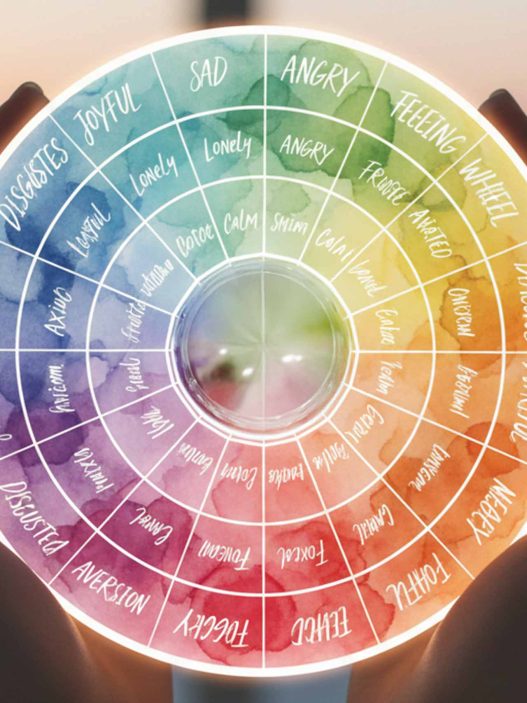
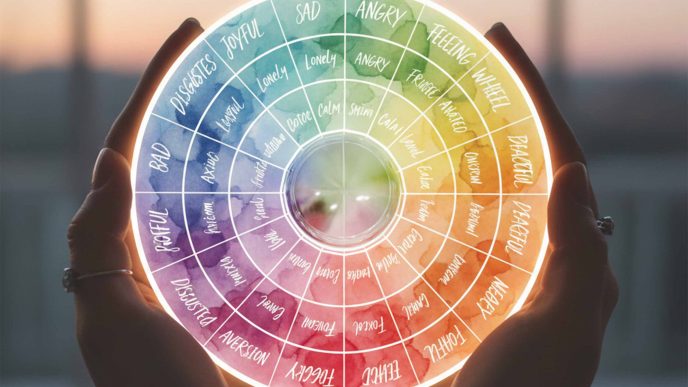
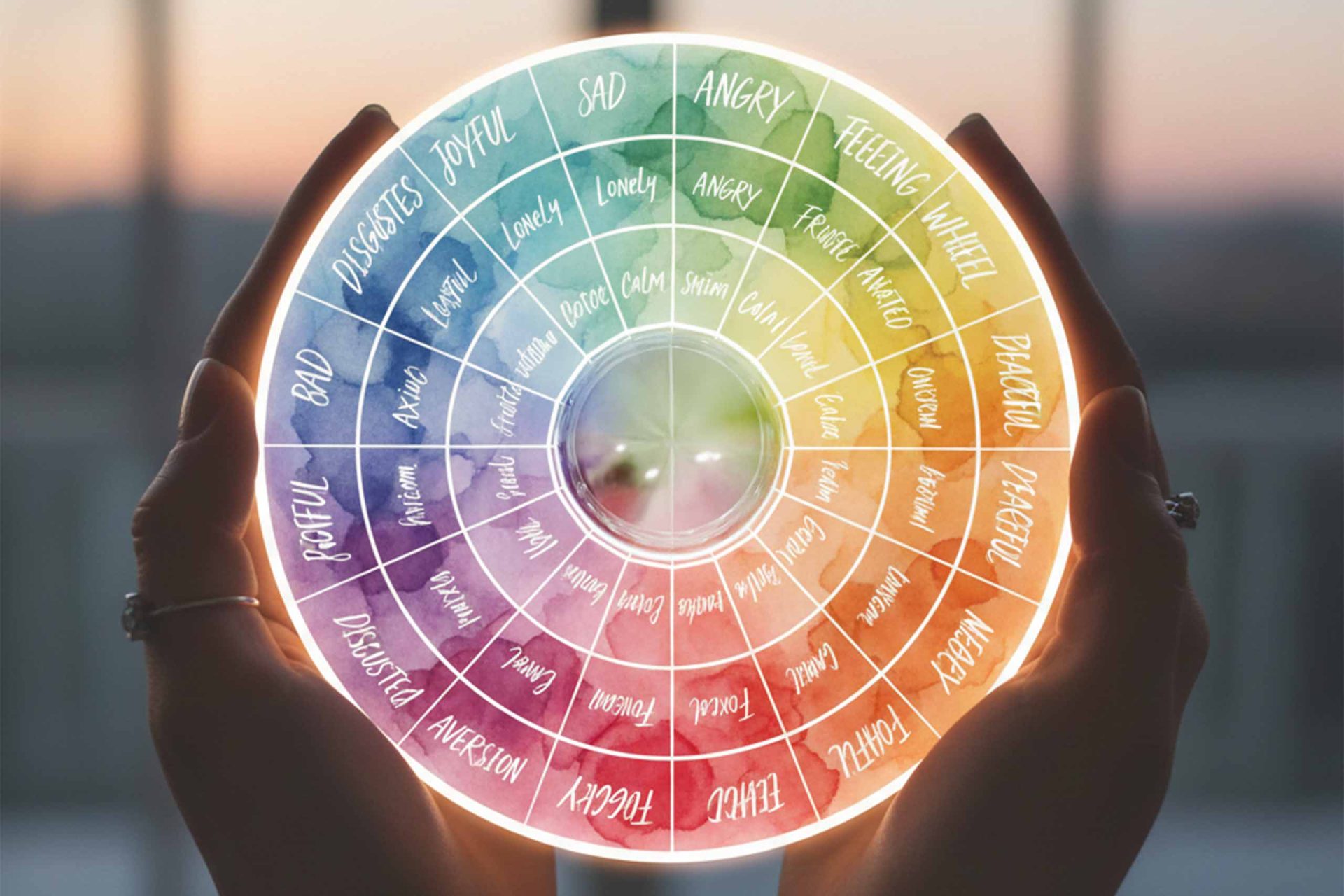
Start with a “Feeling Wheel.”
Instead of “angry,” dig deeper:
- Frustrated?
- Resentful?
- Betrayed?
The more precise you get, the better your brain responds. This works for positive emotions too—distinguishing “contentment,” “excitement,” and “awe” helps you savor good moments deeply.
Emotional wellness begins with the words you choose to describe your inner world.