














Cultivating Emotional Resilience In Uncertain Times
Uncertainty is a constant part of life—but how you respond to it determines your experience. Emotional resilience isn’t about avoiding difficulty or pretending to be unaffected. It’s about developing the capacity to move through challenges without losing your center.
Resilient people don’t escape stress—they learn how to meet it with awareness, adaptability, and self-trust.
Rethinking Resilience
Many people equate resilience with toughness—the ability to “push through” or suppress emotion. But true resilience is softer and more intelligent than that. It involves recognizing your emotions, allowing them, and responding consciously rather than reacting impulsively.




It’s not about being unshaken. It’s about recovering, recalibrating, and growing stronger through experience.
Awareness: The First Step
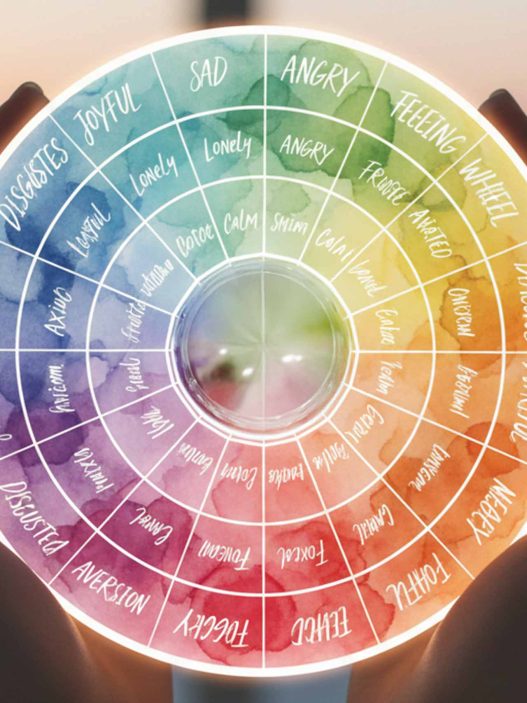
You can’t navigate what you don’t understand. Emotional resilience begins with awareness—naming what you feel as you feel it.
Psychologists often call this “name it to tame it.” When you identify an emotion (“I feel anxious” or “I feel overwhelmed”), you create distance from it. Instead of being consumed, you become the observer.
This simple shift reduces emotional intensity and opens the door to intentional response.
Regulating The Nervous System
Your emotional state is deeply connected to your body. When stress rises, your nervous system shifts into survival mode—fight, flight, or freeze.
To build resilience, you need tools to regulate that response:
- Slow, deep breathing to calm physiological stress
- Grounding techniques (like focusing on physical sensations)
- Gentle movement to release built-up tension
These practices signal safety to your body, allowing your mind to regain clarity.
Reframing Challenges
Resilient individuals develop the ability to reinterpret adversity. Instead of asking, “Why is this happening to me?” they ask, “What can this teach me?”
This doesn’t mean ignoring pain or forcing positivity. It means holding a wider perspective—recognizing that difficulty often carries insight, growth, or redirection.
Over time, this mindset transforms obstacles into opportunities for development.
The Role Of Self-Compassion
Resilience thrives in an environment of self-kindness. When you respond to your struggles with harsh self-criticism, you add another layer of stress.
Self-compassion means speaking to yourself the way you would to someone you care about. It allows you to acknowledge difficulty without judgment.
Ironically, this gentleness builds greater strength than force ever could.
Building Support Systems
Resilience is not a solo effort. Connection plays a vital role in emotional stability. Trusted friends, family members, or even professional support provide perspective and grounding during difficult times.
Sharing your experience doesn’t make you weaker—it reinforces your ability to process and move forward.
Bouncing Forward, Not Just Back
The goal of resilience isn’t to return to who you were before hardship—it’s to grow beyond it.
Each challenge shapes you. When approached with awareness, regulation, and reflection, adversity becomes a catalyst for deeper understanding and inner strength.
You don’t just recover. You evolve.
Daily Practices For Emotional Strength
Resilience isn’t built in crisis—it’s cultivated daily. Small, consistent habits create a strong internal foundation:
- Journaling to process emotions
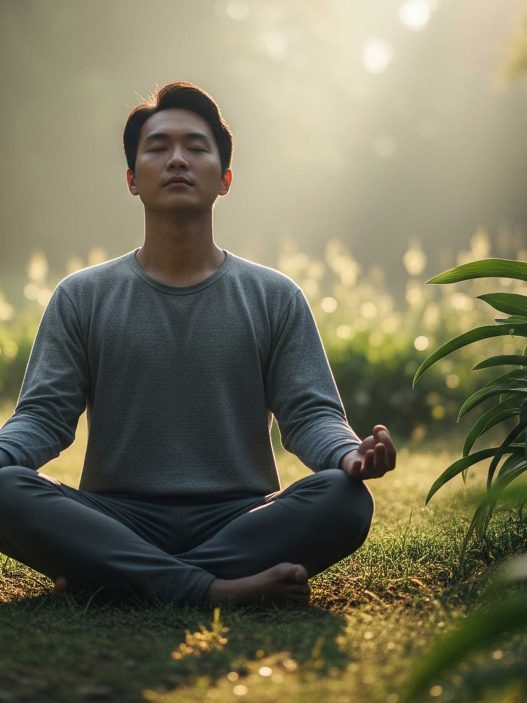
- Mindfulness or meditation to strengthen awareness
- Physical care (sleep, nutrition, movement) to support stability
- Limiting overstimulation and creating space for reflection
These practices prepare you to meet life with steadiness, even when things feel uncertain.

The Inner Anchor
At the core of resilience is trust—trust in your ability to handle what arises.
Life will always contain unpredictability. But when you develop emotional resilience, you carry a sense of stability within yourself. You become less dependent on external conditions for your sense of peace.
That inner anchor doesn’t eliminate storms.
It simply ensures you won’t be lost within them.