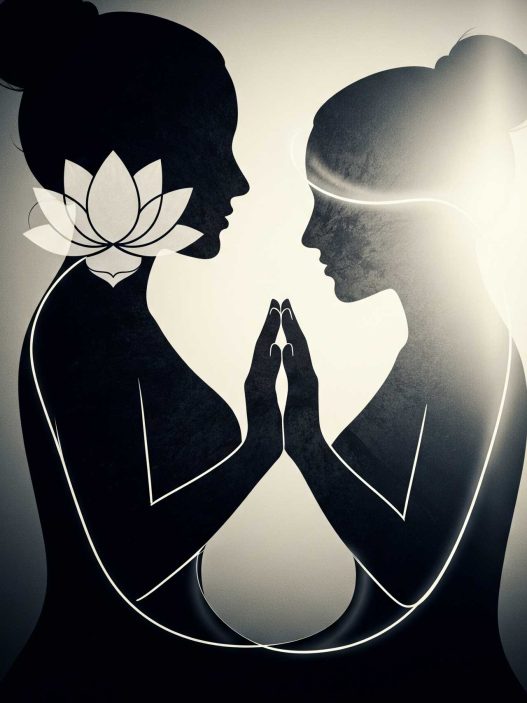















Finding Harmony Between Selfhood And Togetherness
One of the most delicate dynamics in any romantic relationship is the balance between independence and connection. Love invites closeness, shared experiences, and emotional intimacy—but without individuality, that closeness can quietly turn into dependence or loss of self.
Healthy relationships don’t require you to shrink your identity. Instead, they challenge you to deepen both your sense of self and your bond with another person.
The Myth Of Complete Togetherness
It’s easy to romanticize the idea of doing everything together—sharing all thoughts, interests, and time. But when two people become overly merged, something subtle happens: personal growth can stall. You may begin to rely on your partner for validation, direction, or even emotional stability.




This kind of enmeshment can feel comforting at first, but over time, it often leads to resentment or emotional fatigue. True intimacy doesn’t come from losing yourself—it comes from bringing your whole self into the relationship.
Why Independence Matters
Independence creates space for growth. When you pursue your own interests, friendships, and goals, you continue evolving as an individual. That evolution keeps the relationship dynamic and alive.
Think of it this way: two complete individuals choosing each other create a stronger bond than two incomplete individuals trying to complete each other.
Independence also builds resilience. When each partner maintains a sense of self, the relationship becomes a source of support—not the sole foundation of identity.
Nurturing Connection Intentionally
While independence is essential, emotional distance can weaken a relationship if left unattended. Connection requires effort and presence.
Simple practices strengthen intimacy:
- Setting aside uninterrupted time together
- Expressing appreciation regularly
- Checking in emotionally, not just logistically
- Sharing experiences that create memories
Connection grows through attention. When both partners feel seen, valued, and understood, emotional closeness deepens naturally.
The Role Of Boundaries
Boundaries are often misunderstood as barriers, but they’re actually bridges to healthier love. Clear boundaries communicate needs, limits, and expectations without blame.
For example, saying “I need some time alone to recharge” isn’t rejection—it’s self-awareness. When expressed with care, boundaries prevent burnout and foster mutual respect.
Strong relationships aren’t boundary-less—they’re boundary-aware.
Navigating Tension Between “Me” And “We”
There will be moments when independence and togetherness feel at odds. One partner may need space while the other seeks closeness. These moments aren’t signs of failure—they’re opportunities for communication.
Instead of reacting defensively, approach these differences with curiosity:
“What do you need right now?”
“How can we support both of us in this moment?”
This mindset transforms tension into understanding.
Growing Together Without Losing Yourself
The most fulfilling relationships allow both partners to expand. You support each other’s dreams, celebrate individuality, and create shared meaning along the way.
Love becomes less about possession and more about partnership.
When independence and connection are balanced, something powerful happens:
You don’t feel confined by the relationship—you feel strengthened by it.
You remain fully yourself, while also building something meaningful together.